
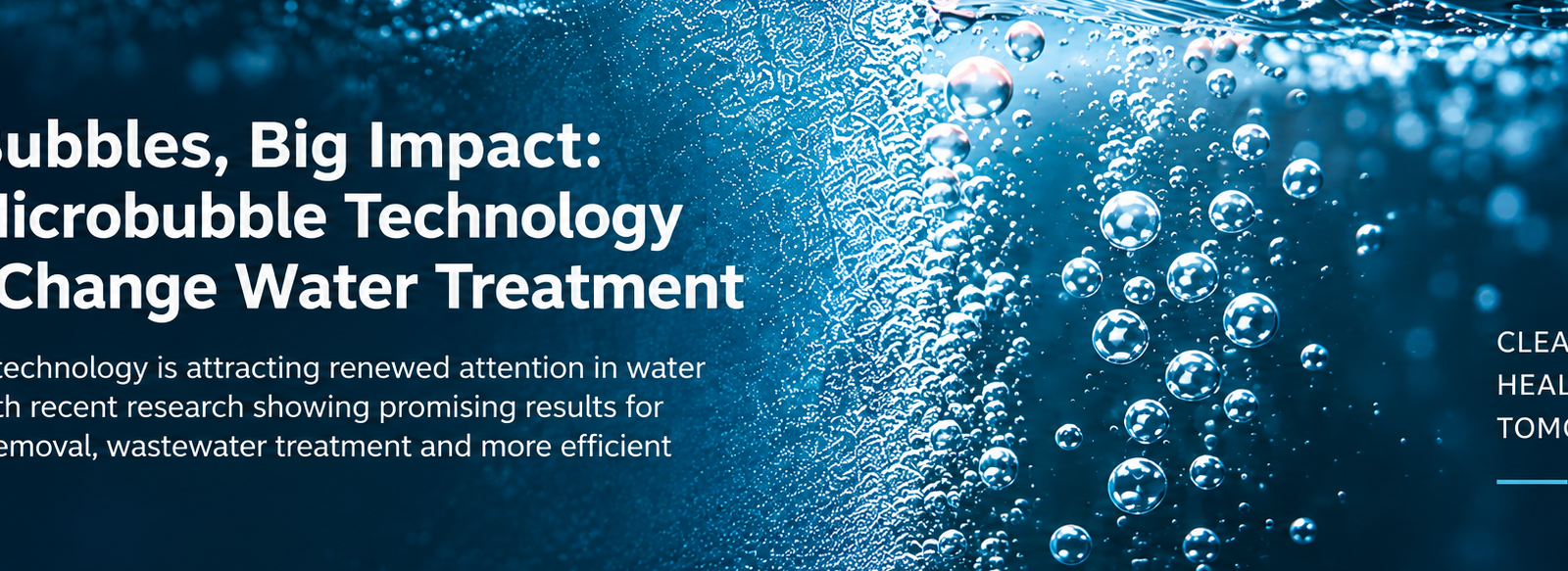
How micro bubble technology could change water treatment.
A small with big potential
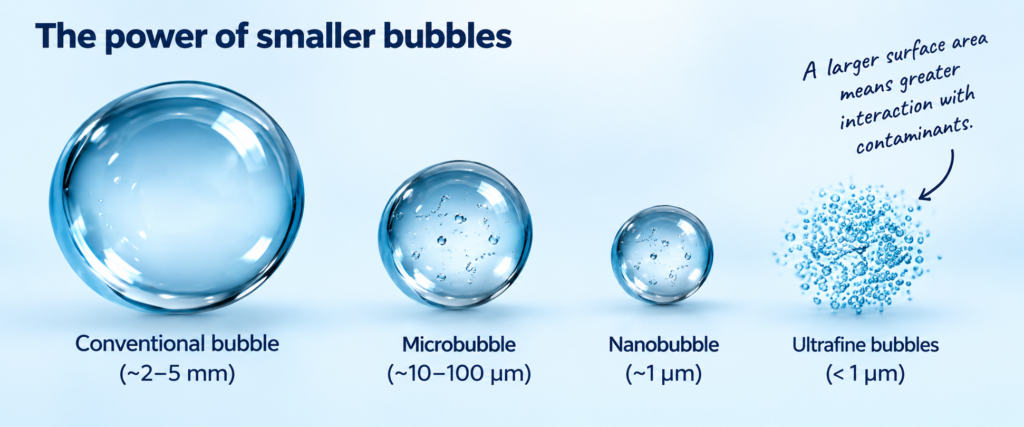
At first glance, microbubbles might not seem like a major engineering breakthrough. They are, after all, just very small bubbles in water. But their size gives them some useful properties that conventional bubbles cannot easily match.
Microbubbles typically measure only a few tens of micrometres across. Their large surface area relative to their volume allows them to interact closely with particles and gases in water. That makes them useful for processes such as flotation, separation and gas transfer.
The interesting engineering question now is not simply how to make microbubbles. It is how to make them consistently, efficiently and at the right size for a particular application.
01: Microbubbles and the microplastic problem
One of the more interesting developments this year has come from researchers at RMIT University, who have been investigating the use of microbubbles and nanobubbles to remove microplastics from wastewater.
Their study combined the two bubble sizes in an enhanced dissolved air flotation process.
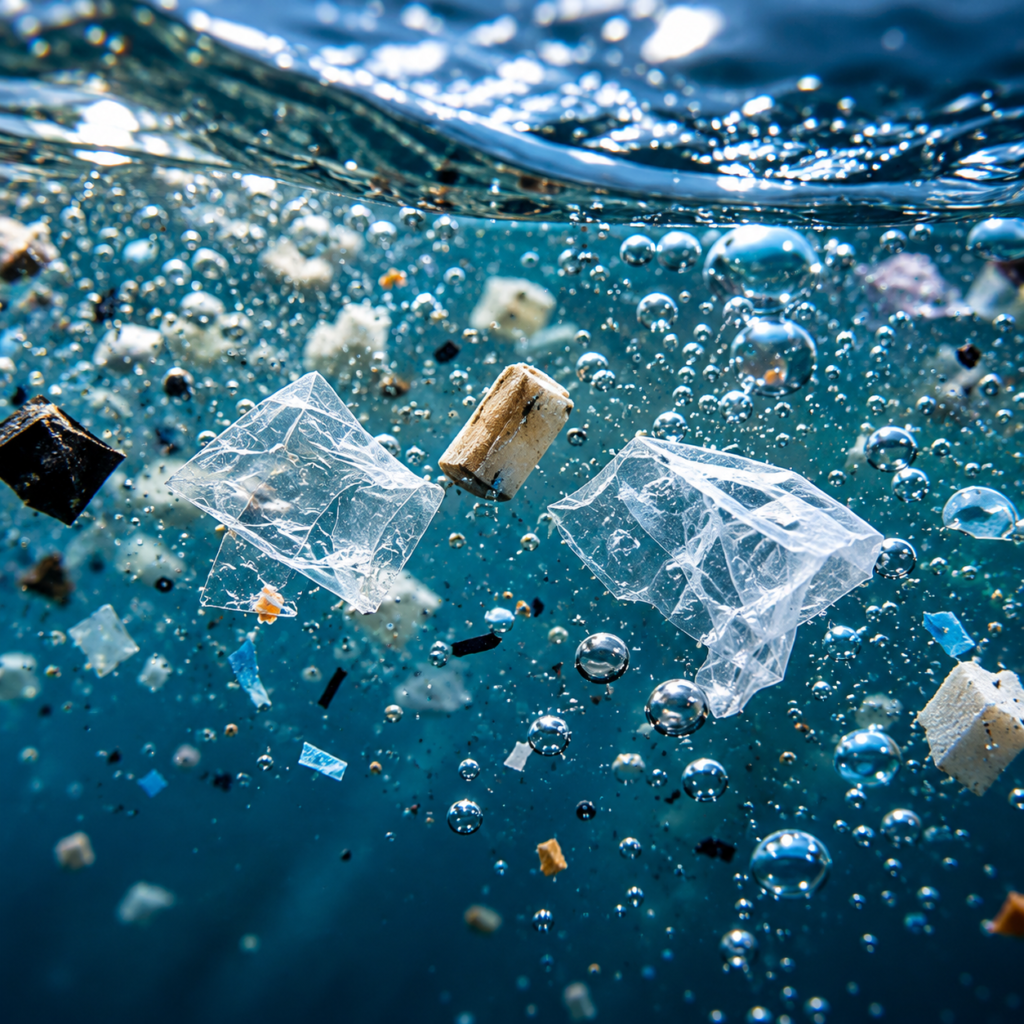
Their study combined the two bubble sizes in an enhanced dissolved air flotation process. Under the conditions tested, the system achieved removal rates of 95% for polyethylene and 97% for polystyrene.
The approach is particularly interesting because dissolved air flotation is already used in water and wastewater treatment. Rather than replacing the whole process, the research looks at how existing systems could be improved by changing the way bubbles interact with contaminants.
Microbubbles help lift particles towards the surface, while nanobubbles improve the interaction between the bubbles and the particles. Used together, the two sizes produced better removal than either system alone in the study.
02: The generator matters
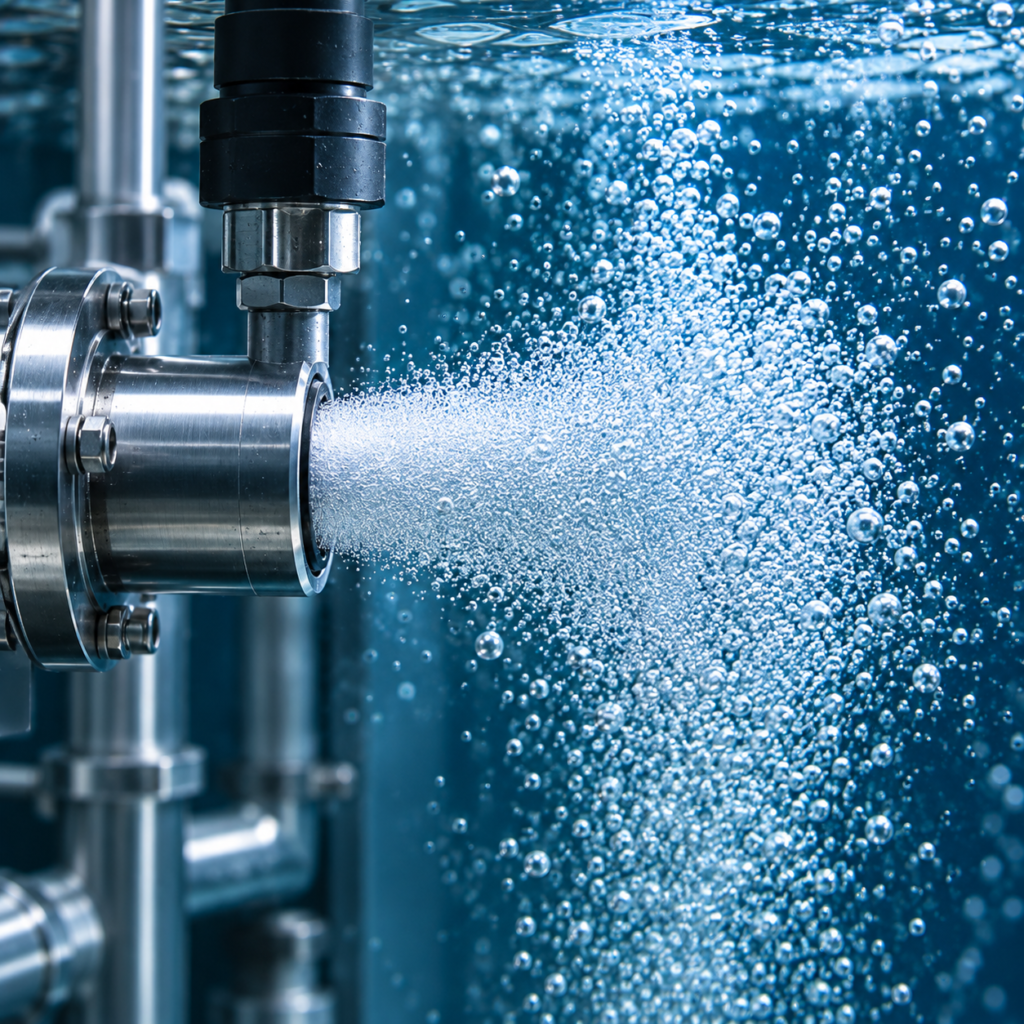
There is another part of the technology that deserves just as much attention: the microbubble generator itself.
A recent 2026 study investigated a mechanically driven system designed to produce smaller and more consistent bubbles. The researchers reported an average bubble size of around 22 micrometres, along with 98% turbidity removal in their tested system. They also reported a 38% reduction in bubble-generation energy demand compared with their dissolved air flotation benchmark.
These results show why bubble generation is such an important area of engineering research.
Pressure, flow rate, mixing conditions, gas concentration and the geometry of the generator can all influence the bubbles that are produced. A system that performs well under one set of conditions may behave very differently when the flow rate or operating pressure changes.
For commercial applications, consistency matters just as much as peak performance.
03: Adding ozone to process
Microbubbles are also being investigated as a way of improving ozone treatment.
Ozone can react with and break down a range of contaminants, but getting the gas efficiently into the water is an important part of the process. Smaller bubbles provide a greater gas–liquid contact area, which can improve ozone transfer.
Recent pilot-scale research has looked at ozone microbubble aeration for drinking-water treatment.
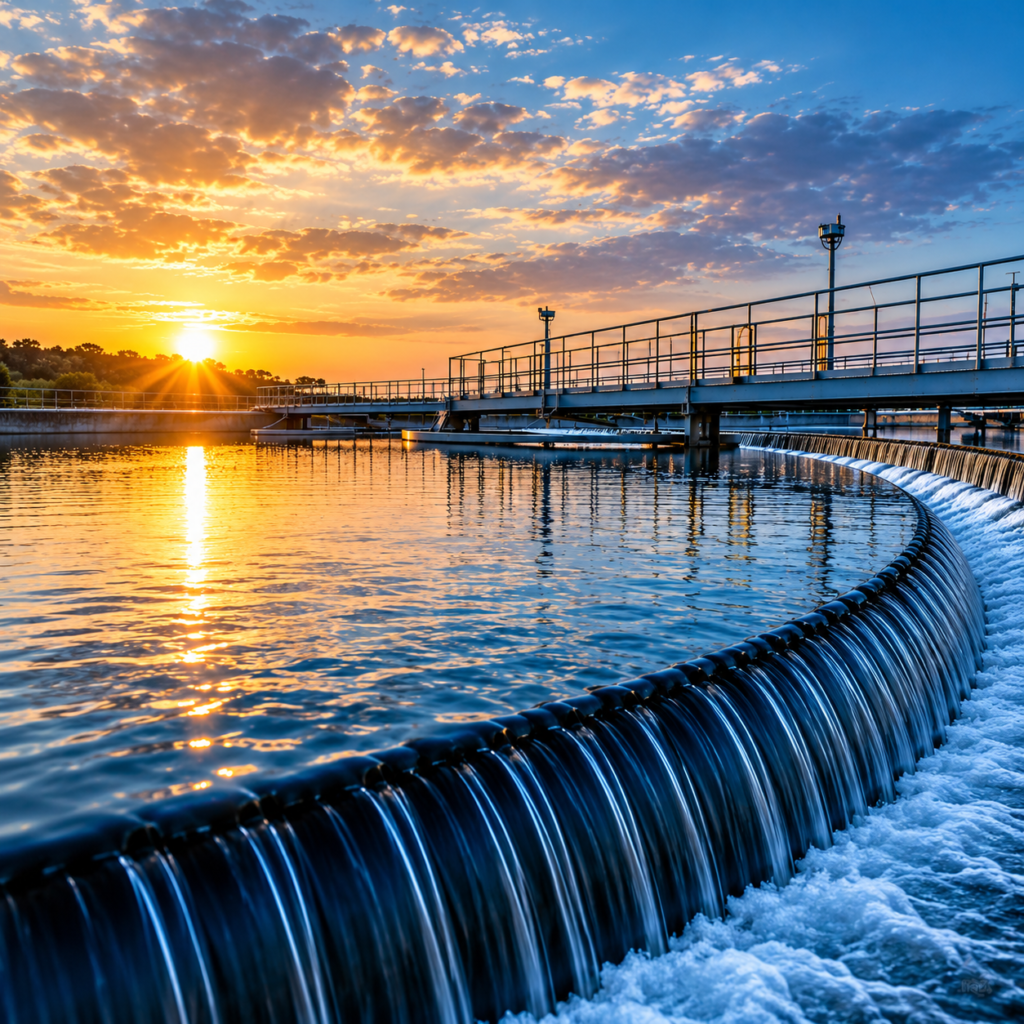
Recent pilot-scale research has looked at ozone microbubble aeration for drinking-water treatment. The researchers found that a ceramic-membrane system improved the degradation of dissolved organic matter and showed potential for reducing energy use.
This is where microbubble technology becomes particularly interesting. The same basic principle, controlling how gas interacts with water, can be applied to very different treatment processes.
04.: What happens next?
The next step for microbubble technology is likely to be better control. Instead of simply trying to produce as many bubbles as possible, engineers can look at the combination of bubble size, pressure, gas flow, residence time and energy consumption that works best for a particular application. There is also an opportunity to combine microbubble systems with sensors, automation and modelling. In the longer term, treatment systems could potentially adjust their operating conditions as water quality changes.
For Innovexis, this raises an important engineering question:
Can we develop microbubble systems that deliver the right bubble characteristics consistently, while keeping energy use, maintenance and operating costs under control?
That is where the technology has real potential.
05: Small bubbles, practical possibilities
Microbubble technology is still developing, and laboratory results do not automatically translate into full-scale commercial systems. Questions around scale-up, maintenance, energy consumption and long-term reliability still need to be addressed.
But the direction of current research is encouraging.
From microplastic removal and wastewater treatment to ozone-based water purification, researchers are finding increasingly practical uses for controlled microbubbles.
For a technology based on bubbles measured in micrometres, the range of potential applications is surprisingly wide.